

SECI, PSPCL & State DISCOM Solar Tenders May 2026: Upcoming Projects & Mounting ProcurOuement tlook
26/05/2026
Carports & Elevated Structures for Factories and Warehouses: A Buyer’s Guide
04/07/2026
How to Choose Monsoon-Resistant Solar Structures
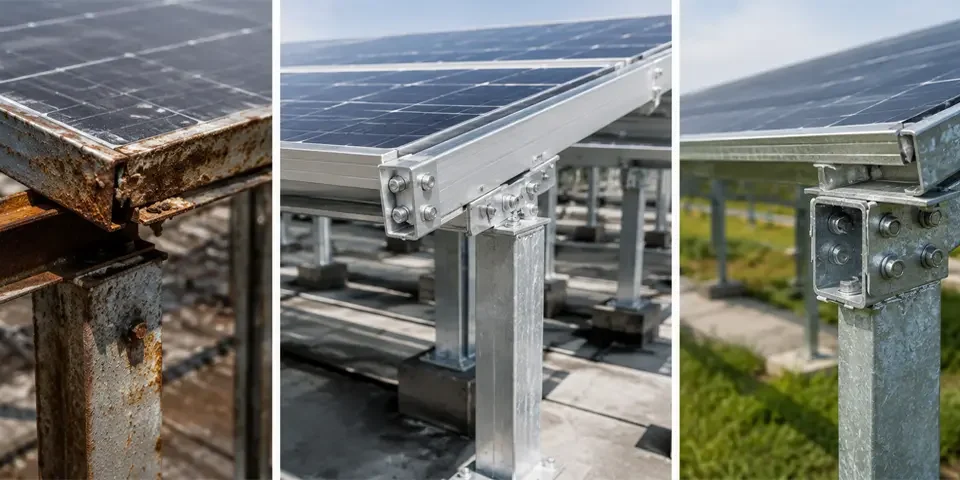
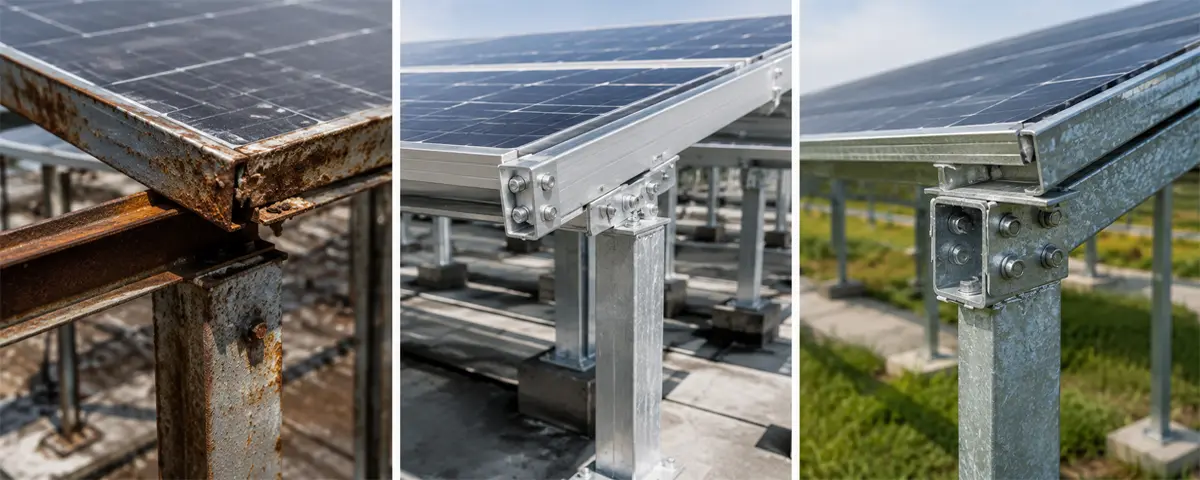
Every monsoon season, solar developers across the country brace for the same headache: rusted bolts, corroded frames, and mounting systems that just weren't built for relentless rain. If you've ever inspected a solar site after heavy downpours and found streaks of rust creeping up the racking, you already know why this topic matters so much.
Solar energy is booming, but the structures holding those panels up don't always get the attention they deserve. And that's a costly mistake. A solar plant is only as reliable as the frame beneath it. Choosing the right monsoon-resistant solar structures isn't just a technical decision — it's a long-term investment decision that affects your ROI, safety, and maintenance budget for the next 25 years.
In this guide, we'll walk through exactly what to look for when selecting solar mounting systems built to survive rust, corrosion, and heavy rain, along with market trends and where this industry is headed.
Why Monsoon Resistance Matters More Than Ever
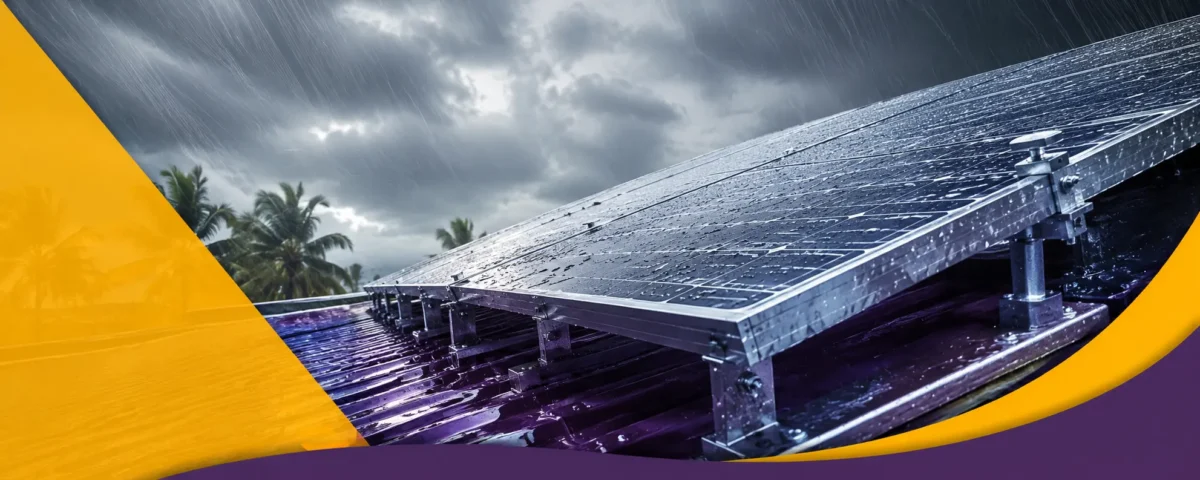
Monsoons bring more than just water. They bring humidity, wind loads, waterlogging, and rapid temperature swings — all of which accelerate wear on metal components. Standard mounting structures that work fine in dry climates often fail within a few years when exposed to sustained moisture.
The real damage isn't always visible at first. Corrosion often starts quietly at bolt joints, welds, and ground contact points before spreading. By the time rust becomes visible, structural integrity may already be compromised. For solar developers and asset owners, this translates into unplanned maintenance costs, panel misalignment, and in worst cases, structural collapse during storms.
This is exactly why more businesses are prioritizing durability over upfront cost when selecting a PV racking solution.
Key Factors to Choose Monsoon-Resistant Solar Structures
1. Material Quality and Coating
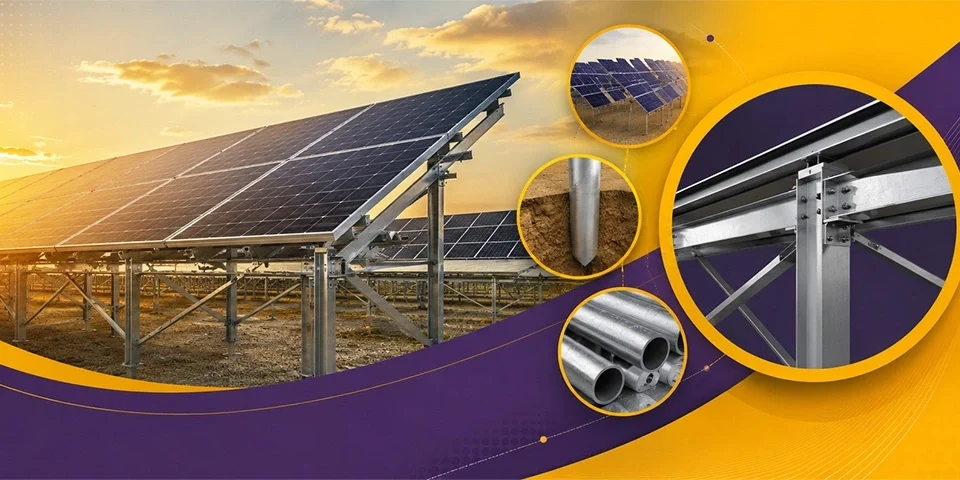
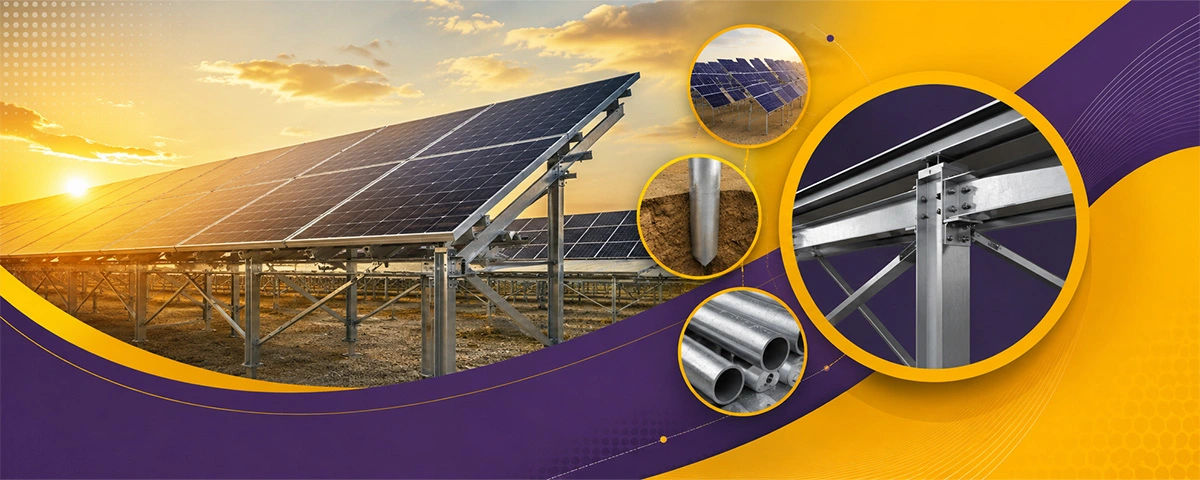
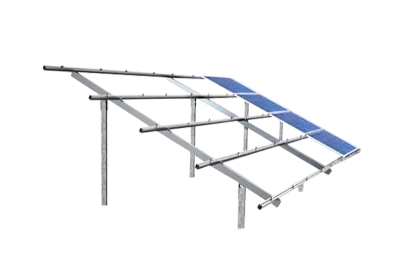
The backbone of any monsoon-resistant solar structure is the material itself. Hot-dip galvanized steel remains one of the most trusted options, offering a thick zinc coating that shields against rust far better than standard painted steel. Aluminum structures are another strong choice, especially in coastal or high-humidity regions, since aluminum naturally resists corrosion without relying on an external coating.
When evaluating solar mounting systems, always check the galvanization thickness (measured in microns) and ask manufacturers for salt-spray test certifications. This single detail can be the difference between a structure lasting 10 years or 25.
2. Design for Water Drainage
A well-engineered PV racking solution should never allow water to pool. Structures with proper slope angles, drainage channels, and elevated ground clearance prevent standing water from sitting against metal joints for extended periods. Poor drainage design is one of the most overlooked causes of premature corrosion.
3. Foundation and Ground Anchoring
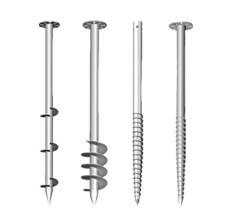
Monsoon rains often lead to soil erosion and ground shifting, which can destabilize poorly anchored structures. Look for foundation systems designed for your specific soil type — whether that's ballasted foundations, screw piles, or reinforced concrete footings. A structure can be corrosion-resistant on paper, but if the foundation isn't built for wet, shifting soil, the entire system is at risk.
4. Fastener and Joint Protection
Rust typically begins at the smallest points: nuts, bolts, and washers. Stainless steel or zinc-coated fasteners, combined with sealed joint designs, significantly reduce water infiltration at connection points. It's a small detail that has an outsized impact on structural lifespan.
5. Wind Load and Structural Rating
Monsoons often bring strong winds alongside heavy rainfall. Any solar mounting system chosen for monsoon-prone regions should be certified for local wind load standards, not just rain resistance. The two go hand in hand — a structure that can't handle wind stress won't hold up during a storm, regardless of how rust-resistant its coating is.
Benefits of Investing in Monsoon-Resistant Solar Mounting Systems
Choosing the right structure upfront pays off in several ways:
- Lower lifecycle costs — Fewer replacements and repairs over the system's lifetime.
- Improved energy yield — Properly aligned, stable panels perform more consistently.
- Reduced safety risk — Less chance of structural failure during extreme weather events.
- Stronger asset value — Investors and buyers favor solar assets with proven durability records.
- Better warranty terms — Manufacturers are often more willing to extend warranties on corrosion-tested products.
For businesses managing large-scale solar portfolios, these savings compound significantly across multiple sites over time.
Market Trends Shaping Solar Mounting Systems
The solar racking industry is evolving quickly, driven by both climate pressures and cost competition. A few trends stand out:
Rising demand for corrosion-tested products. As solar installations expand into coastal, humid, and monsoon-heavy regions, manufacturers are investing more in advanced coatings and corrosion-testing protocols to meet demand.
Shift toward modular and adjustable racking. Developers increasingly prefer PV racking solutions that can be adapted to varied terrain and soil conditions, reducing the need for custom engineering on every project.
Growing focus on lifecycle cost analysis. Buyers are moving away from lowest-upfront-cost thinking and toward total cost of ownership, factoring in maintenance and replacement costs over 20-25 years.
Sustainability-driven material choices. Recyclable aluminum and responsibly sourced galvanized steel are gaining traction as ESG considerations influence procurement decisions.
Future Outlook
Looking ahead, monsoon-resistant solar structures are set to become a standard expectation rather than a premium feature. As extreme weather events become more frequent and unpredictable, regulatory bodies and financiers are likely to push for stricter durability certifications before approving large-scale solar projects.
We can also expect continued innovation in smart materials — coatings that self-heal minor scratches, and sensor-embedded structures that monitor corrosion in real time. For solar developers and EPC companies, staying ahead of these trends will be key to winning long-term contracts and maintaining strong asset performanc
Final Thoughts
Choosing the right solar mounting system isn't just about surviving one monsoon season — it's about building infrastructure that performs reliably for decades. Rust, corrosion, and rain damage are preventable problems when the right materials, drainage design, foundations, and fasteners are prioritized from day one.
Whether you're a solar developer planning your next utility-scale project or a business installing rooftop panels, investing in a proven PV racking solution built for monsoon resilience will save you money, reduce risk, and protect your energy output for years to come.
The bottom line: don't wait for the first monsoon to expose weak points in your solar structure. Choose smart, choose durable, and build for the long run.