

Rust, Corrosion & Rain: How to Choose Monsoon-Resistant Solar Structures
04/07/2026
GI vs Aluminium vs Hot-Dip Galvanized Solar Structures: Which Lasts Longer?
04/07/2026
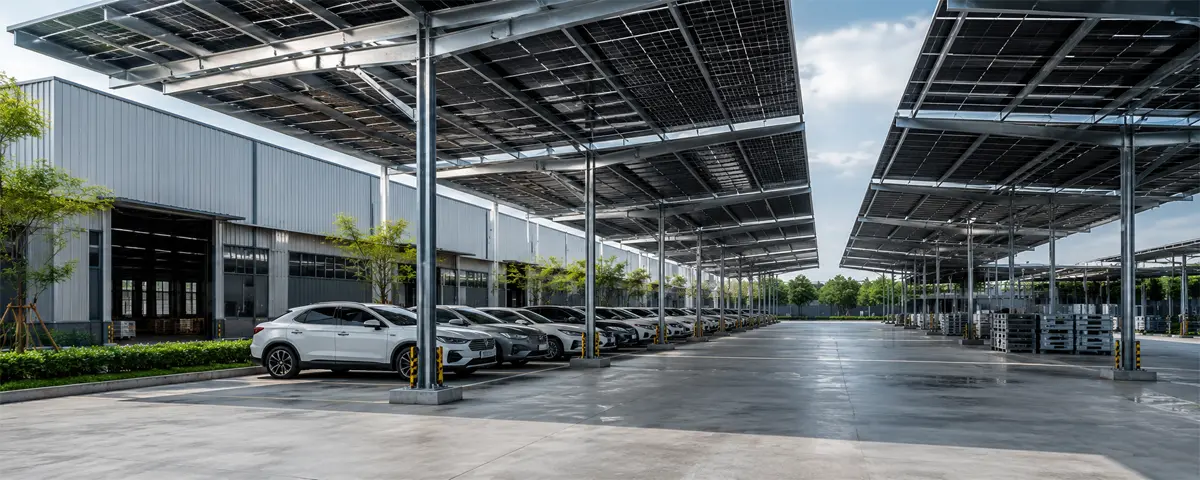
Carports & Elevated Structures for Factories and Warehouses: A Buyer's Guide to Solar Mounting Systems
Industrial land is expensive, and roof space isn't always available or suitable. Yet the pressure to go solar keeps growing, whether it's driven by rising electricity bills, corporate sustainability targets, or government incentives. This is exactly where carports and elevated structures come in.
For factory owners, warehouse operators, and solar developers, these structures aren't just a mounting option, they're a way to unlock unused space above parking lots, loading docks, and yards, turning them into productive solar assets. If you're evaluating solar mounting systems for an industrial property, this guide walks you through everything you need to know before you invest.
Why Elevated Structures Make Sense for Industrial Properties
Most factories and warehouses have one thing in common: a lot of horizontal space that isn't being used efficiently. Rooftops may be old, weak, or already occupied by HVAC units and skylights. Ground-mounted systems, on the other hand, eat into land that could otherwise support operations, storage, or expansion.
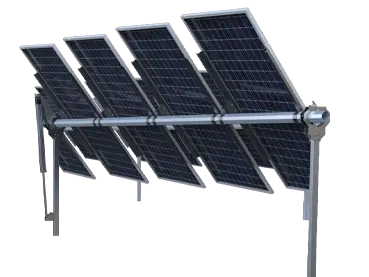
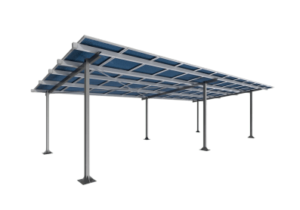
Elevated structures for factories and warehouses solve this problem by lifting solar panels above existing infrastructure, such as parking areas, walkways, or equipment yards. This dual-use approach means businesses don't have to choose between solar power and operational space. They get both.
Carports, in particular, have become a popular choice because they add a functional benefit beyond energy generation. Vehicles and equipment parked underneath are shielded from rain, heat, and debris, which matters a lot in industrial settings where trucks, forklifts, and employee vehicles sit outdoors for hours every day.
Key Benefits of Solar Carports and Elevated Structures
Space optimization Rather than competing with land use, elevated structures make use of airspace that would otherwise sit idle. This is especially valuable for facilities with limited rooftop capacity or land constraints.
Structural independence from the roof Older warehouse roofs often can't bear the additional load of a rooftop PV racking solution. Elevated structures avoid this issue entirely since they're built as standalone systems with their own foundations.
Protection for assets and operations A carport doesn't just generate electricity, it shades vehicles, equipment, and sometimes even outdoor inventory. This reduces heat damage, UV wear, and weather-related maintenance costs.
Better system performance Elevated designs typically allow for improved airflow beneath the panels, which helps with cooling and can support slightly better energy yield compared to tightly mounted rooftop arrays.
Long-term cost savings While the upfront investment tends to be higher than rooftop solar, the ability to combine parking infrastructure with power generation often improves the overall return on investment over the structure's lifetime.
Scalability for future expansion Many industrial solar mounting systems are modular, meaning businesses can add capacity later as energy needs grow, without redesigning the entire structure.
What to Look for When Buying a Solar Mounting System
If you're in the market for a carport or elevated PV racking solution, a few factors deserve close attention before you sign off on a vendor.
Load ratings and wind resistance Industrial sites are often located in open areas exposed to high winds. Make sure the structure is engineered to local wind and snow load codes, not just generic specifications.
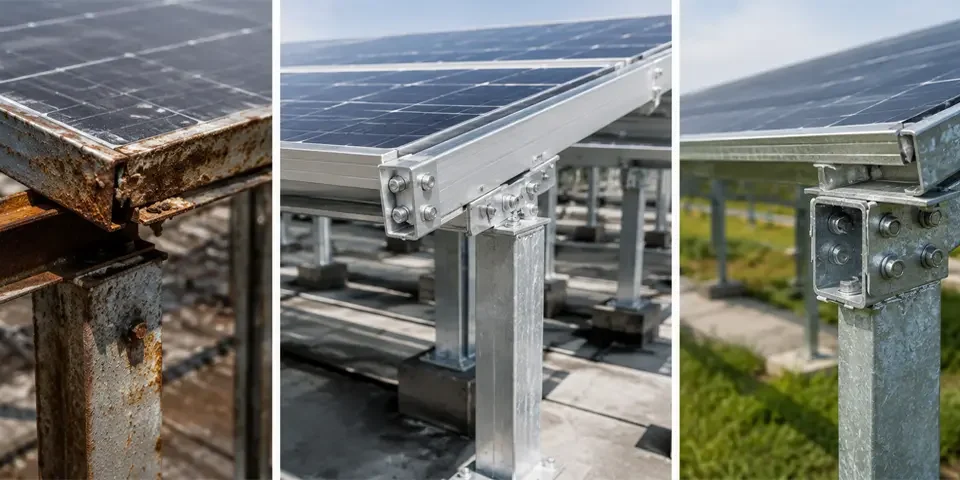
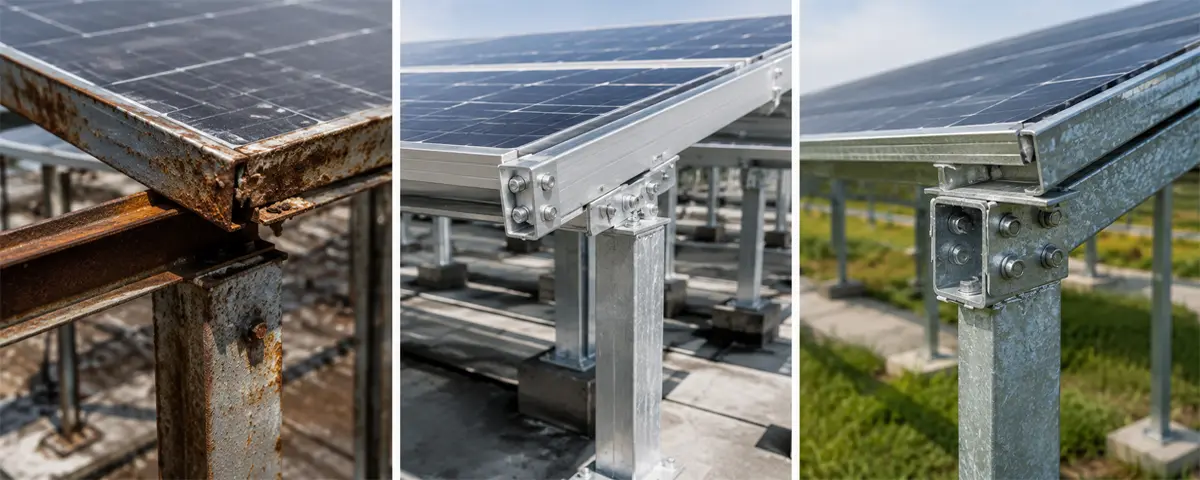
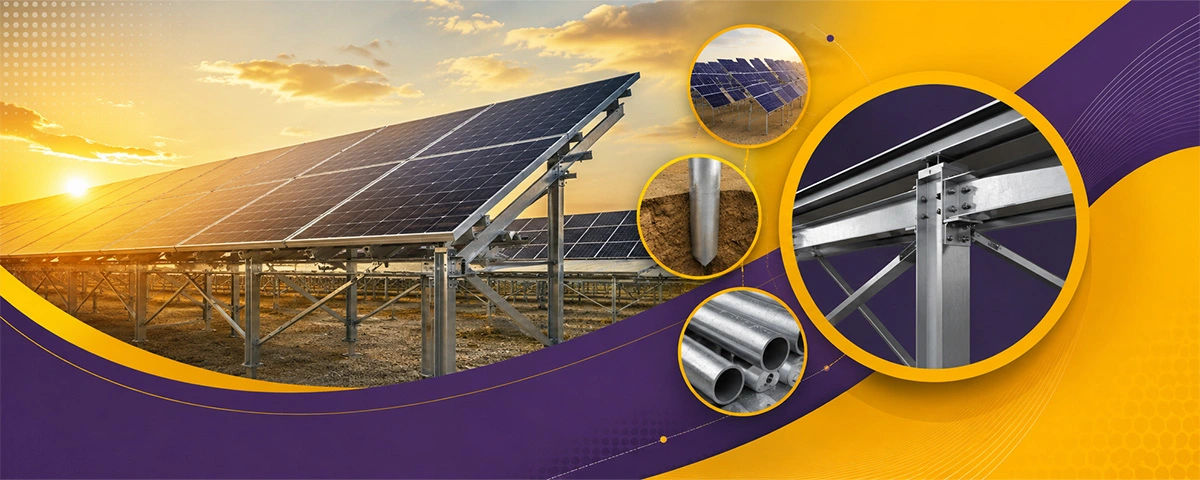
Material quality Galvanized steel and aluminum are the most common choices. Aluminum resists corrosion better in humid or coastal environments, while steel is often more cost-effective for large-scale installations.
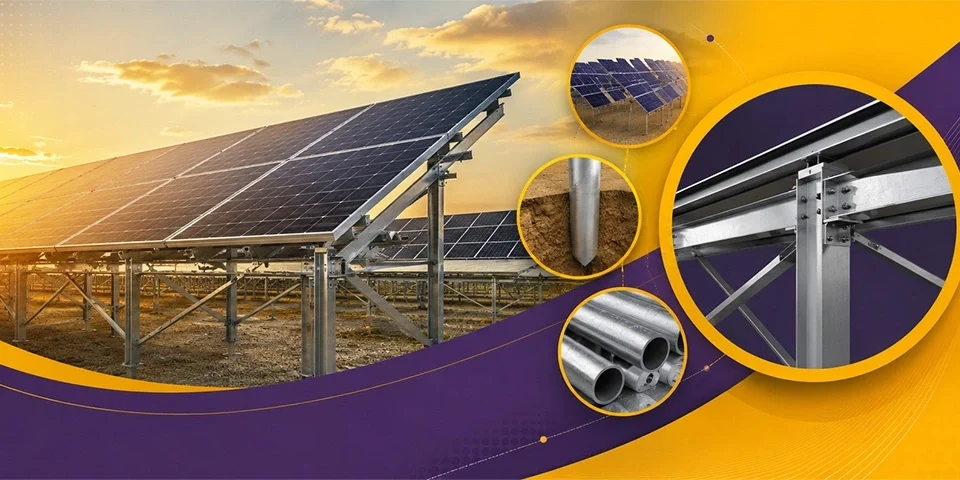
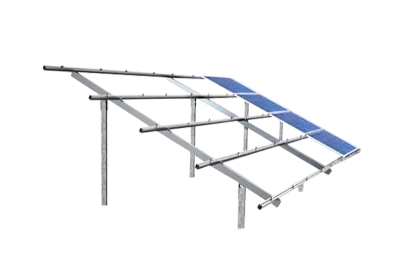
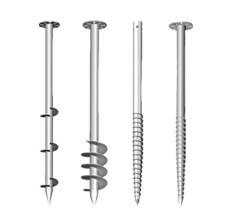
Foundation type Ground conditions vary widely across industrial sites. Confirm whether the system uses driven piles, concrete footings, or ballasted bases, and whether a geotechnical assessment has been done.
Compatibility with panel technology Not all racking systems are built the same way. Check that the mounting solution supports the panel wattage, dimensions, and mounting method you plan to use, including bifacial modules if that's part of your plan.
Vendor track record Ask for references from similar industrial installations. A supplier experienced with factories and warehouses will understand operational constraints like truck clearance heights and loading zone layouts.
Maintenance and warranty terms Elevated structures are harder to access than ground-mounted systems, so warranty coverage and ease of maintenance should factor heavily into your decision.
Market Trends Shaping the Industry
The demand for solar carports and elevated structures has picked up noticeably over the past few years, and a few trends are driving that shift.
Corporate sustainability commitments are pushing more manufacturers and logistics companies to look beyond rooftop-only solar. With supply chains under pressure to show measurable emissions reductions, on-site renewable generation has become a visible, tangible way to demonstrate progress.
Electric vehicle adoption is another factor. Warehouses and factories with large employee or fleet parking areas are increasingly pairing carports with EV charging infrastructure, turning parking lots into dual-purpose energy hubs.
Land scarcity near urban and industrial zones is also nudging developers toward dual-use solar. Instead of competing for limited land, elevated structures let businesses generate power without giving up functional space.
Finally, advances in prefabricated and modular racking design have made installation faster and more predictable, which is helping bring down costs that were once a barrier for mid-sized facilities.
Future Outlook for Solar Mounting Systems in Industrial Settings
Looking ahead, elevated structures for factories and warehouses are likely to become a standard part of industrial solar planning rather than a niche option. As rooftop space continues to be constrained by aging infrastructure and equipment loads, more businesses will look at their yards, parking lots, and loading areas as viable solar real estate.
Integration with battery storage and EV charging is expected to deepen further, turning these structures into multi-functional energy assets rather than standalone generation systems. There's also growing interest in combining structural design with smart monitoring, allowing facility managers to track performance, detect shading issues, and plan maintenance more proactively.
For solar developers and EPC professionals, this signals a shift toward offering more customized, site-specific PV racking solutions rather than one-size-fits-all designs. The businesses that adapt early, both suppliers and end users, are likely to have an edge as demand for industrial solar continues to climb.
Final Thoughts
Choosing between rooftop, ground-mount, and elevated solar structures isn't just a technical decision, it's a strategic one. For factories and warehouses dealing with limited roof capacity or valuable land, carports and elevated structures offer a practical middle ground: generate clean energy, protect vehicles and equipment, and keep operational space intact.
Before committing to a system, take the time to evaluate structural engineering, material choice, and vendor experience carefully. A well-designed solar mounting system isn't just an energy investment, it's infrastructure that will serve your facility for decades. Done right, it pays for itself in more ways than one.