

India’s Solar 2.0 Era: How Agrivoltaics, Bifacial Panels & Elevated Mounting Systems Are Reshaping Agriculture and Energy
28/04/2026
Rooftop Solar Mounting Systems India 2026: RCC, Metal Sheet & Tiled Roof Racking Guide
01/05/2026
Why Your Solar Mounting System Choice Matters More Than You Think
A solar panel mounting system isn't just the hardware that holds panels in place. It determines your energy yield, maintenance burden, structural compatibility, land use efficiency, and long-term asset value.
Poor mounting decisions lead to wind damage, shading losses, corrosion failures, and costly retrofits. Smart mounting decisions — aligned to your site, budget, and load profile — can add years to your system's productive life and meaningfully improve your levelized cost of energy (LCOE).
In 2026, mounting systems are also increasingly tied to regulatory frameworks, green building certifications, and dual-use solar infrastructure strategies — particularly for agrivoltaic and water-body installations.
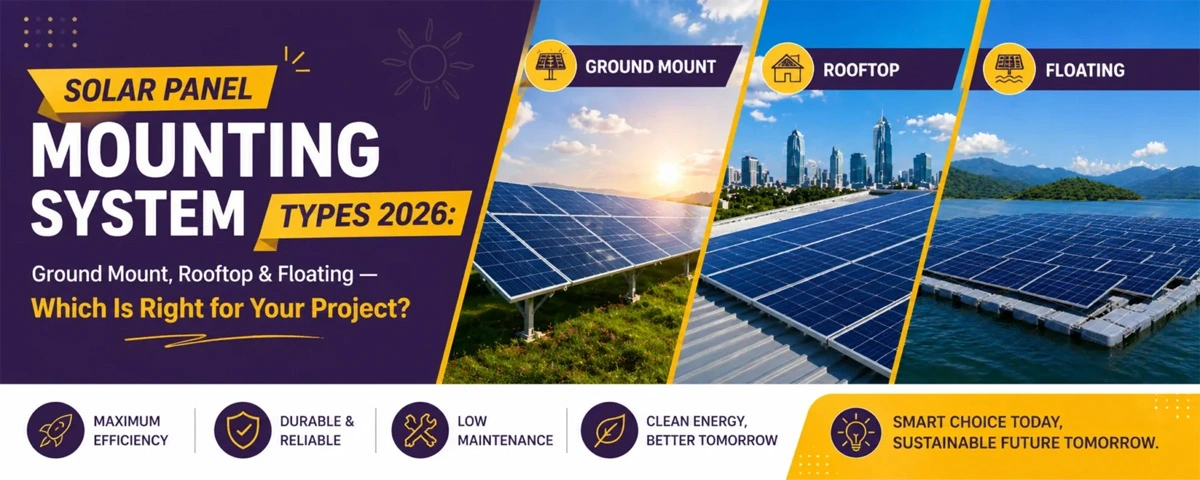
1. Ground-Mounted Solar Systems: Power at Scale
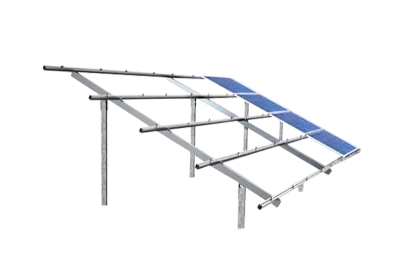
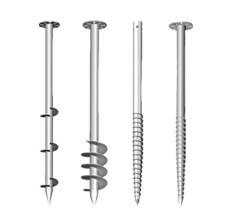
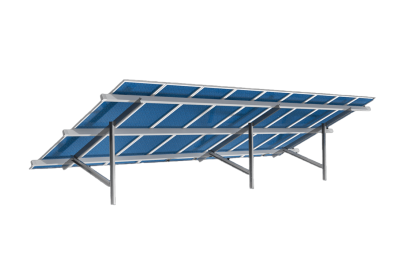
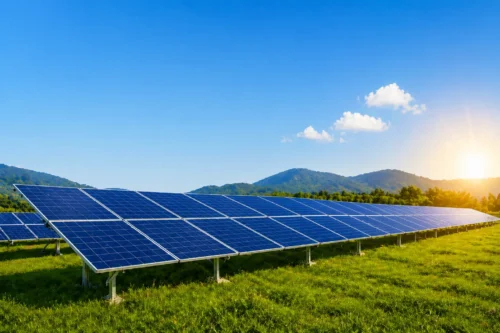
Ground-mounted solar remains the backbone of utility-scale and commercial solar development. These systems are installed directly on open land using driven piles, ballasted anchors, or concrete foundations — and they offer some of the most flexibility in panel orientation and tilt optimization.
Key Benefits
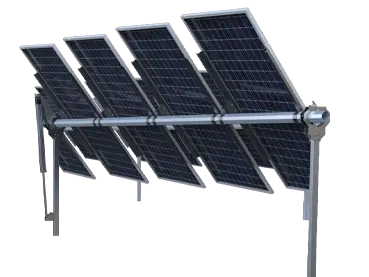
Maximum energy output. Ground mounts can be precisely angled to capture peak irradiance throughout the day. When paired with single-axis or dual-axis solar trackers, energy yield can increase by 15–30% compared to fixed installations — a significant advantage for large-scale projects.
Scalability. From a 500 kW commercial system to a 500 MW utility plant, ground-mounted structures scale cleanly. There's no rooftop load limit, no structural assessment required, and far more flexibility in layout design.
Easier maintenance. Ground-level access simplifies cleaning, inspection, and module replacement — reducing O&M costs over the asset lifecycle.
Considerations
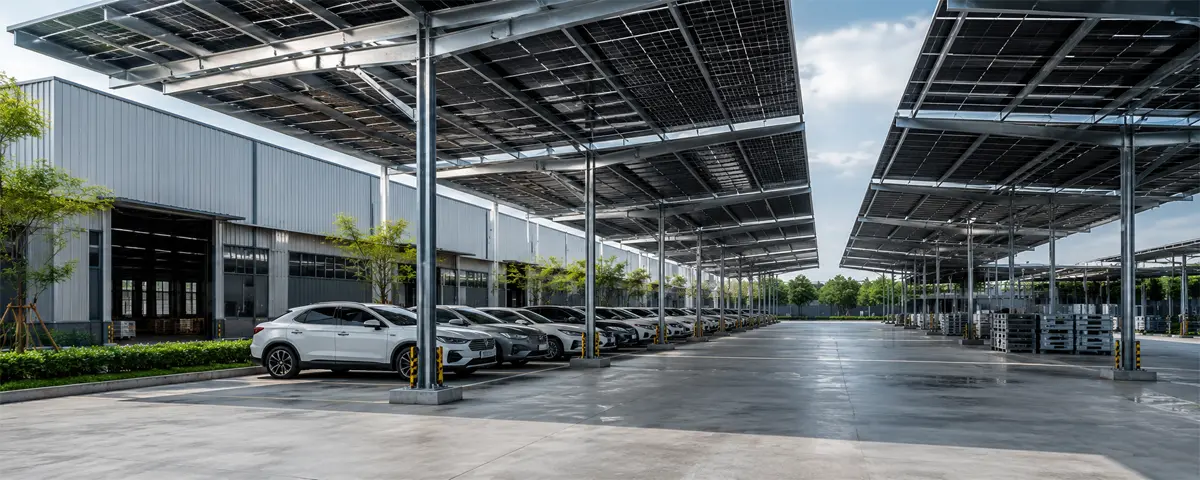
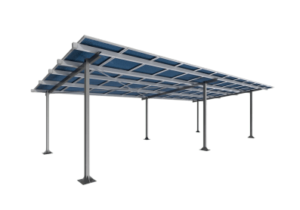
Land availability and cost are the primary constraints. Ground mounts require significant acreage, and land-use conflicts are a growing challenge in dense or agricultural regions. This is where agrivoltaic systems — a fast-growing segment of dual-use solar infrastructure — come in, co-locating panels with crop production to resolve the land-use tension.
Best for: Utility developers, IPPs, industrial companies with large land holdings, and commercial projects with available open space.
2. Rooftop Solar Mounting Systems: The Urban Workhorse
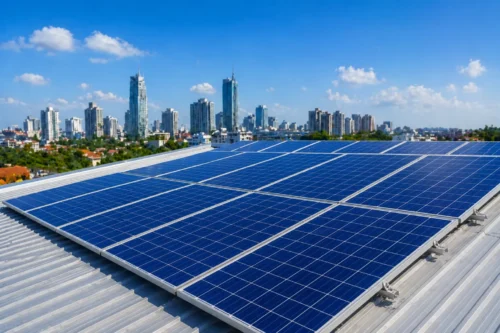
Rooftop solar accounts for the majority of distributed solar installations globally and continues to grow strongly through 2026, driven by commercial and industrial (C&I) adoption and net metering policies across key markets.
Key Benefits
Zero incremental land cost. Using existing building footprints means no land acquisition or lease negotiations. For businesses, this translates directly to faster permitting and stronger project economics.
Closer to the load. Rooftop systems generate power close to where it's consumed, reducing transmission losses and grid dependency. For commercial facilities running heavy HVAC or manufacturing loads during the day, on-site rooftop generation is a natural match.
Building integration options. Beyond conventional rack-mounted panels, 2026 has seen strong growth in Building-Integrated Photovoltaics (BIPV) — solar membranes, glass facades, and solar roofing tiles that serve structural and aesthetic purposes simultaneously.
Considerations
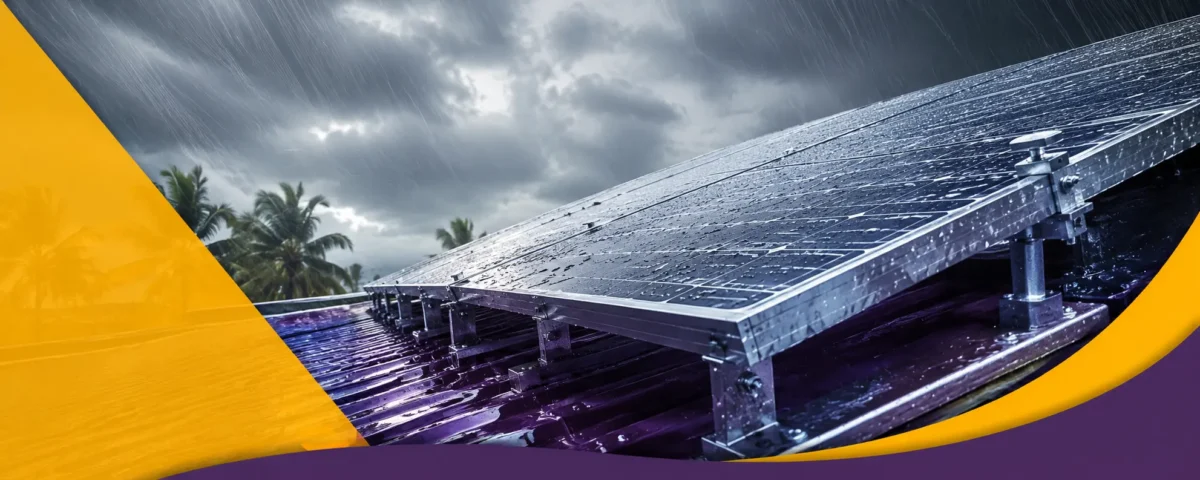
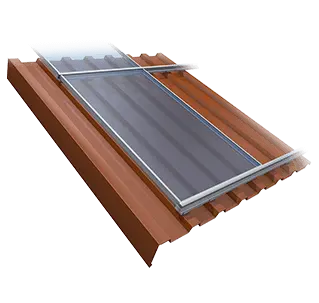
Roof condition and structural capacity matter enormously. Mounting systems must be compatible with the roof type — whether that's metal standing seam, TPO membrane, concrete, or tile. Ballasted systems (no penetration) are popular for flat commercial rooftops, while rail-and-clamp systems suit pitched surfaces.
Wind and snow load calculations are non-negotiable. A properly engineered PV racking solution accounts for local climate conditions and complies with building codes.
Best for: Commercial real estate owners, warehouses, factories, retail chains, schools, and urban developers.
3. Floating Solar Systems: The Fastest-Growing Segment
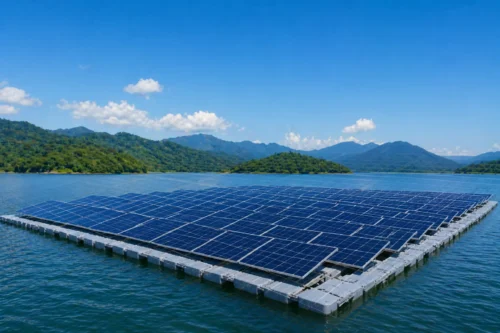
Floating solar — also called floatovoltaics — is the most exciting frontier in the PV racking solution space. Panels are mounted on buoyant platforms and installed on reservoirs, lakes, irrigation ponds, and even offshore water bodies.
Global floating solar capacity grew by over 40% year-over-year in 2025, with Asia-Pacific, the Middle East, and Europe leading deployment. By 2026, floating solar is no longer niche — it's a mainstream option in any serious developer's toolkit.
Key Benefits
Solves the land scarcity problem. Water bodies represent underutilized surfaces, especially near urban centers. Floating systems unlock generation capacity without competing for agricultural or developable land.
Better panel performance. Water has a natural cooling effect on panels, reducing cell temperature and improving efficiency by 5–15% compared to equivalent ground or rooftop systems. This is a meaningful yield advantage in hot climates.
Dual-use solar infrastructure at its best. Floating solar on irrigation reservoirs reduces water evaporation — a critical benefit in water-stressed regions. This dual-use value proposition is increasingly recognized in policy frameworks and ESG investment criteria.
Reduced algae growth. Shading from panels reduces algae proliferation in water bodies — an environmental co-benefit relevant to drinking water reservoirs and aquaculture operations.
Considerations
Floating systems require specialized anchoring and mooring engineering, UV-resistant and corrosion-proof materials, and careful assessment of wave action, water level fluctuation, and aquatic ecosystem impact. Cabling and inverter placement also add complexity. Initial capex is typically 10–20% higher than equivalent ground-mounted systems, though this gap is narrowing as the market matures.
Best for: Water utilities, hydropower operators, irrigation authorities, real estate developers near water, and projects in land-constrained markets.
Comparing the Three: A Quick Reference
| Factor | Ground Mount | Rooftop | Floating Solar |
|---|---|---|---|
| Land Use | High | None | Water body |
| Energy Yield | High (tracker-enabled) | Moderate | High (cooling effect) |
| Installation Cost | Moderate | Low–Moderate | Higher |
| Maintenance | Easy | Moderate | Specialized |
| Scalability | Excellent | Limited by roof | Site-dependent |
| Dual-Use Potential | Agrivoltaic | BIPV | Water conservation |
Market Trends Shaping Mounting Systems in 2026
Solar tracker adoption is accelerating. Single-axis trackers are now standard on utility-scale ground-mount projects above 5 MW, with ROI payback well within project financing cycles.
Lightweight aluminum and composite structures are replacing heavy steel in rooftop and floating systems, reducing structural load and installation labor.
Bifacial panel compatibility is now a baseline requirement for ground and floating mounting systems. Racking height and albedo optimization are key design parameters in new projects.
Integrated monitoring and smart mounting — where the structural system embeds sensors for thermal performance, micro-vibration detection, and soiling monitoring — is moving from pilot to mainstream across large commercial and utility installations.
Policy tailwinds in India, Southeast Asia, the EU, and the US continue to favor solar deployment across all three mounting categories, with specific incentives emerging for floating solar and agrivoltaic dual-use solar infrastructure.
How to Choose the Right Solar Mounting System for Your Project
There's no universal answer — and any vendor telling you otherwise is selling, not advising. The right solar panel mounting system depends on:
- Site characteristics: Available land or rooftop space, water body proximity, terrain, soil type, and local wind/snow loads
- Project scale: A 50 kW commercial rooftop and a 50 MW ground-mount plant have fundamentally different engineering requirements
- Budget and financing structure: Higher upfront capex may be justified by better yield or dual-use value over a 25-year asset life
- Regulatory environment: Permitting timelines, interconnection rules, and any applicable incentives for specific mounting types
- Long-term strategy: Are you optimizing for energy cost reduction, asset sale, green certification, or ESG reporting?
Working with a qualified solar engineering firm to conduct a site feasibility and mounting system assessment before committing to a technology path is always worth the investment.
The Bottom Line
Ground mount, rooftop, and floating solar each have a legitimate place in the 2026 project pipeline — and increasingly, sophisticated developers are combining all three across a portfolio. The solar panel mounting system is no longer an afterthought. It's a strategic decision that shapes energy output, financial returns, and long-term resilience.
As dual-use solar infrastructure matures and new PV racking solutions enter the market, the developers and project teams who understand these distinctions will be better positioned to build solar assets that perform — technically, financially, and environmentally — for decades to come.
The sun isn't going anywhere. But how you mount your panels determines how much of it you capture.