

Solar Panel Mounting System Types 2026 Ground Mount Rooftop & Floating Which Is Right for Your Project?
29/04/2026
India’s 81 GW Solar Record April 2026: Why Quality Mounting Infrastructure Is Critical for Grid Stability
02/05/2026
Rooftop Solar Mounting Systems India 2026: RCC, Metal Sheet & Tiled Roof Racking Guide
India's solar revolution isn't slowing down. With the government pushing toward 500 GW of renewable energy capacity by 2030, rooftop solar has moved from a niche investment to a mainstream energy strategy for businesses, housing societies, and industrial facilities alike. But here's the part that often gets overlooked — the mounting system beneath those gleaming panels is just as critical as the panels themselves.
Choosing the wrong solar mounting system can lead to structural damage, poor energy yield, and costly maintenance. Choosing the right one? That's where long-term ROI is actually built.
This guide breaks down the major rooftop solar mounting systems available in India in 2026, how they apply to different roof types — RCC, metal sheet, and tiled — and what trends are shaping the market for solar professionals and developers.
Why the Mounting System Is More Than Just a Frame
Many buyers fixate on panel efficiency and inverter specs, yet the PV racking solution that holds everything together directly determines system longevity, wind load resistance, and even energy output (through optimal tilt angles).
In India's diverse climate — from coastal humidity in Chennai to extreme heat in Rajasthan and heavy snow loads in Himachal Pradesh — a one-size-fits-all approach simply doesn't work. That's why understanding roof-specific mounting structures has become essential knowledge for any serious solar developer or EPC contractor.
RCC Rooftop Mounting Systems: The Workhouse of Commercial Solar
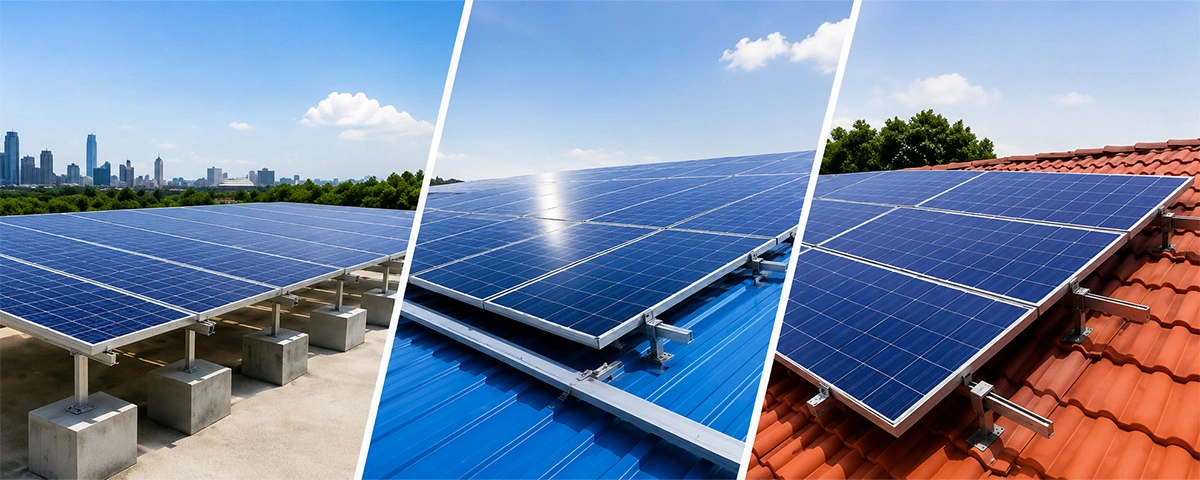
Reinforced Cement Concrete (RCC) rooftops dominate India's commercial and industrial solar segment. Flat by nature, they offer a blank canvas for flexible system design — but they also come with structural constraints that demand careful engineering.
Common configurations for RCC roofs include:
- Ballasted mounting systems — use concrete blocks as counterweights, requiring no roof penetration. Ideal where waterproofing integrity is critical.
- Chemical anchor-based systems — bolt-down structures anchored into the slab, offering superior wind resistance for high-rise installations.
- Elevated racking with east-west orientation — a growing trend in 2026, allowing higher panel density and reducing wind uplift compared to traditional south-facing tilts.
For commercial developers, elevated RCC mounting structures also open the door to dual-use applications — rooftop gardens, HVAC clearance, and even walkways beneath the panels. This concept of dual-use solar infrastructure is gaining traction in urban markets like Bengaluru, Pune, and Hyderabad, where roof real estate is premium.
Key consideration: Always commission a structural load assessment before finalizing the racking design. India's IS 875 wind load standards and NBC 2016 guidelines should be baseline requirements for any reputable EPC firm.
Metal Sheet Roof Mounting Systems: Speed, Flexibility & Industrial Fit
Pre-engineered buildings (PEBs), warehouses, cold storage units, and factories across India's manufacturing belt — from Pune to Ahmedabad to Ludhiana — predominantly feature metal sheet roofs. These are, arguably, the most solar-friendly roof type when the right mounting system is deployed.
Popular metal sheet racking options in 2026:
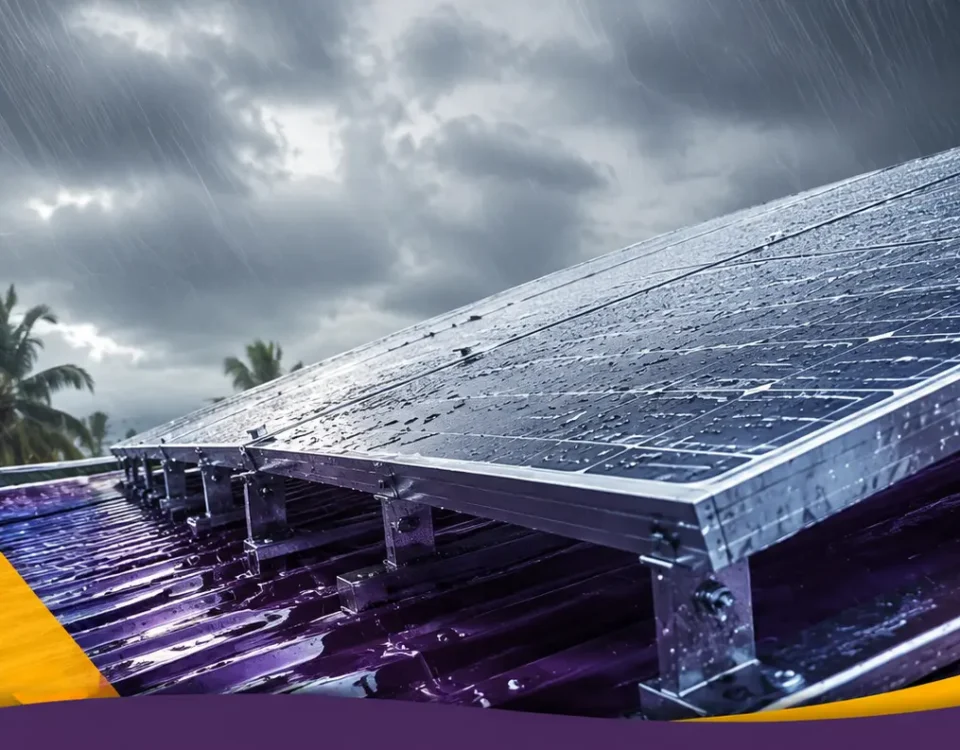
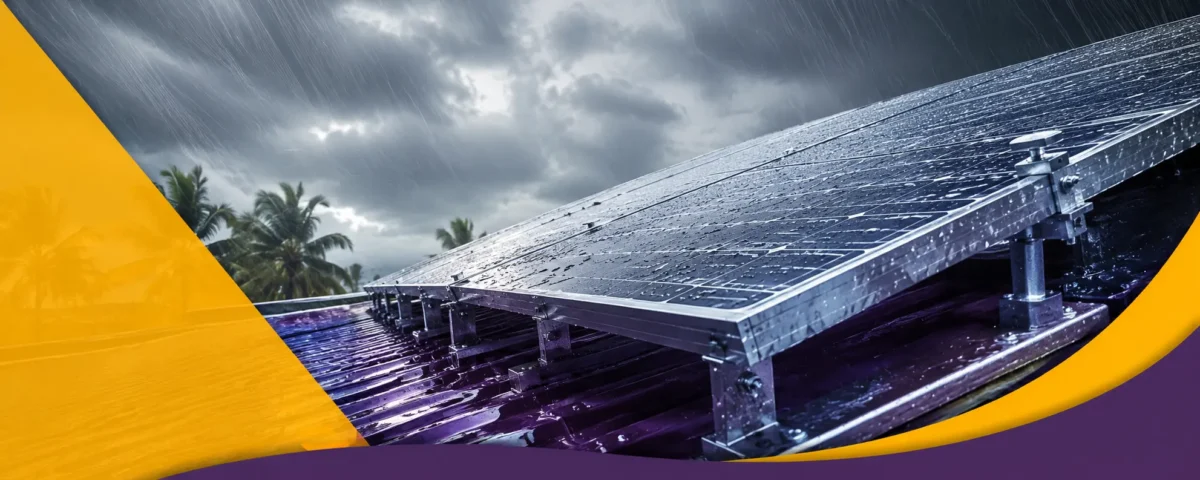
- Standing seam clamps — non-penetrative clamps that grip the raised seam of trapezoidal or standing seam sheets. No drilling, no leakage risk.
- Self-drilling screw mounts with EPDM seals — cost-effective for corrugated GI sheets, though waterproofing quality depends heavily on installation workmanship.
- Purlin-based rail systems — used when the roof sheet structure itself isn't strong enough to bear the load; racking ties directly into the building's purlins.
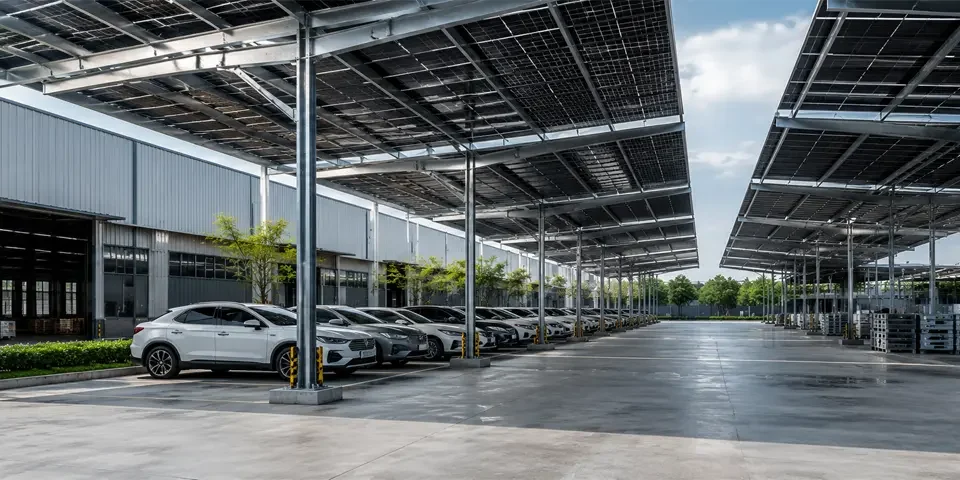
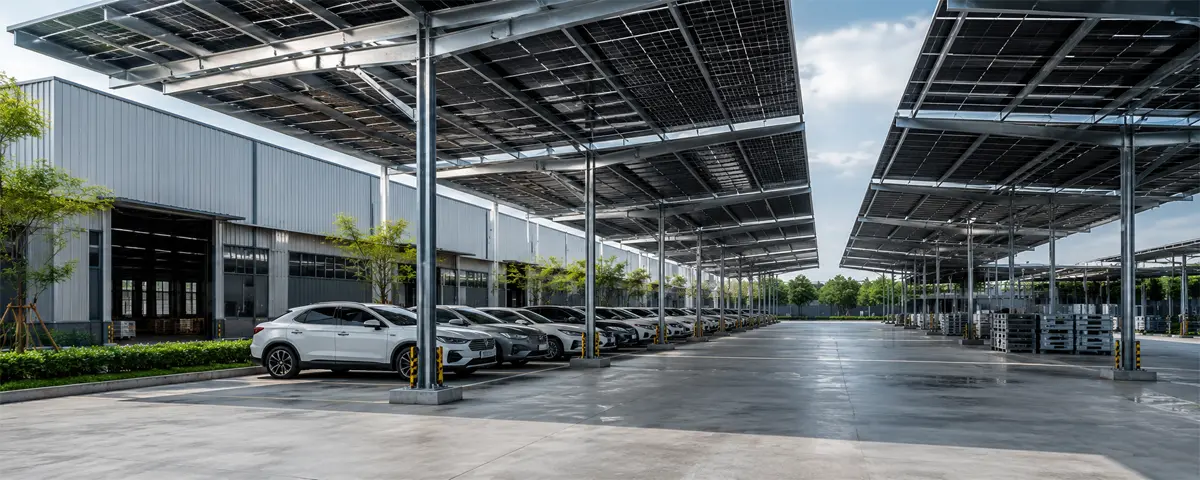
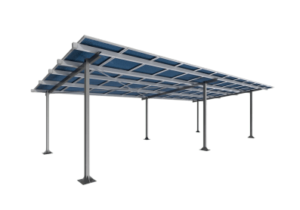
The metal sheet segment is seeing strong momentum in solar carport structures — a logical extension where industrial shed roofs are redesigned or extended to shade employee parking, vehicles, or goods storage while generating power overhead. These solar carport mounting systems are becoming a signature feature of ESG-forward manufacturing facilities and logistics parks.
Speed of installation is another advantage here. A well-designed clamp-based system on a standing seam roof can dramatically cut labour hours compared to RCC penetration systems, a factor that matters when you're commissioning a 2 MW rooftop project on a tight timeline.
Tiled Roof Solar Mounting: Residential Precision Meets Aesthetic Demand
India's residential rooftop solar market is booming — and a significant portion of that demand comes from homes with sloped tiled roofs, particularly in Kerala, Tamil Nadu, Goa, and across Tier-2 cities with independent bungalow housing stock.
Tiled roofs require a more delicate touch. The goal is to minimise tile removal, distribute load evenly, and maintain the weatherproofing that a sloped roof provides.
Standard tiled roof racking approaches include:
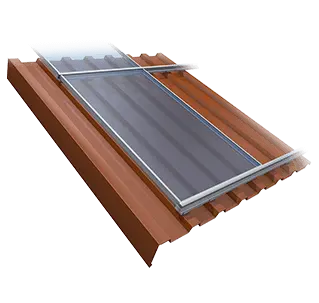
- Tile hooks and rail systems — tiles are selectively removed, steel hooks are fixed to roof rafters, tiles are replaced, and aluminium rails are mounted over the hooks. Clean, minimally invasive.
- Integrated flashing mounts — used for clay or concrete tiles where hooks must accommodate varied tile profiles.
- In-roof BIPV systems — gaining interest in premium residential projects, where solar tiles replace conventional roofing material entirely. Still a niche but growing segment in 2026.
Aesthetics matter in residential applications. Homeowners are increasingly asking for low-profile, black-anodised rail systems that blend with the roofline rather than sitting visibly above it. Manufacturers who've responded to this demand with slim-line PV racking solutions are seeing strong residential uptake.
Market Trends Shaping Solar Mounting in India (2026)
The solar mounting landscape in India is evolving fast. Here's what's driving change in 2026:
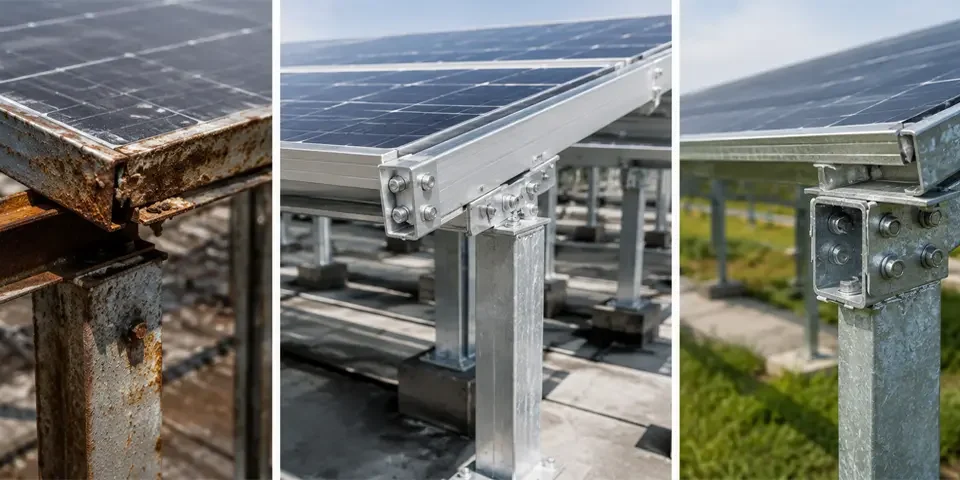
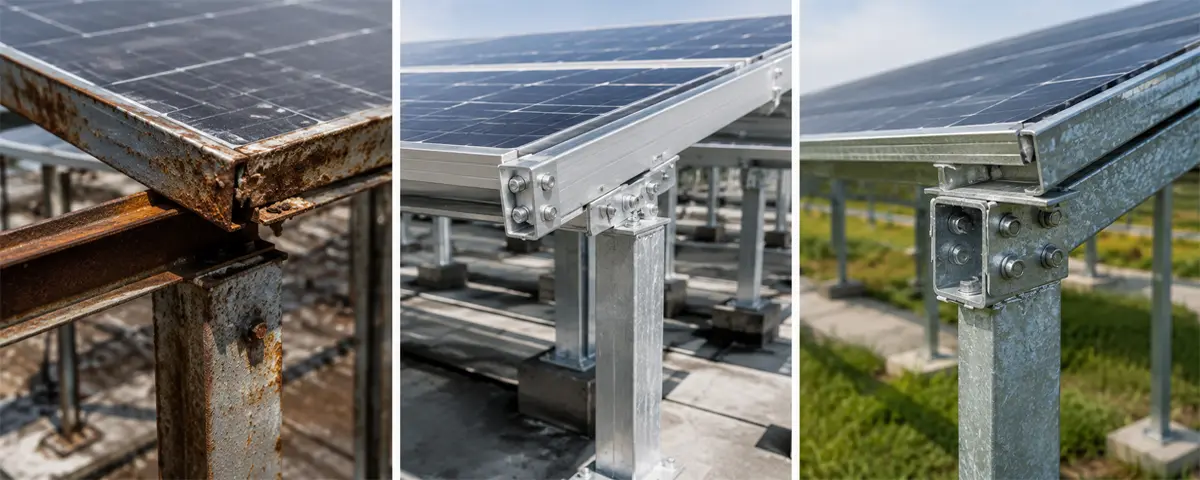
1. Aluminium over steel, wherever possible. Corrosion resistance, lightweight handling, and recyclability have made aluminium rail systems the material of choice across all three roof categories, even as steel retains dominance in heavy industrial applications.
2. The rise of solar carport infrastructure. As EV adoption climbs and corporate sustainability mandates tighten, solar carport structures that charge vehicles while sheltering them are moving from pilot projects to standard facility planning. Developers who master this dual-use design now have a distinct market edge.
3. Wind engineering getting serious. Post-cyclone damage assessments — particularly in Odisha and coastal Andhra Pradesh — have pushed EPC firms to adopt CFD (Computational Fluid Dynamics) wind simulations before system design sign-off. It's no longer optional for quality-conscious installers.
4. Integrated monitoring and cable management. Mounting systems are being designed with built-in cable trays, earthing provision, and pre-engineered string layout zones — reducing on-site improvisation and improving system reliability.
5. PM Surya Ghar Muft Bijli Yojana driving residential volume. The government's flagship residential scheme, which targets 1 crore households, is pushing racking manufacturers to develop cost-optimised tiled and flat roof systems that can be installed rapidly without compromising quality.
How to Choose the Right Mounting System for Your Project
If you're a developer, facility manager, or EPC contractor evaluating solar mounting systems for an upcoming project, here's a practical framework:
- Start with the roof type and structural audit — never design a system before confirming load-bearing capacity.
- Match the mounting category to the roof material — ballasted for sensitive RCC waterproofing, clamp-based for metal, hook-and-rail for tiles.
- Factor in the local wind and snow zone — India's wind map (IS 875 Part 3) should inform every racking specification.
- Evaluate dual-use potential — can the same structure support a carport, walkway, or green space? The economics often improve significantly.
- Choose certified products — look for IEC 62817, ISO 9001, and MNRE-approved mounting systems where applicable.
Conclusion: The Foundation of Your Solar Investment
In 2026, India's rooftop solar market is maturing — and so is the sophistication with which developers, businesses, and professionals approach it. The era of treating mounting systems as an afterthought is over. Whether you're deploying panels on a Pune warehouse's corrugated metal roof, a Mumbai commercial tower's RCC terrace, or a Kerala villa's clay-tiled slope, the solar mounting system you choose is the foundation everything else rests on.
Investing in the right PV racking solution — one that's engineered for India's specific climate zones, structurally validated, and designed for long-term durability — isn't just a technical decision. It's a business decision that protects your asset for the next 25 years.
As the market moves toward smarter, dual-use solar infrastructure and integrated solar carport structures, the professionals who master mounting system design will be the ones building India's solar future — one rooftop at a time.