

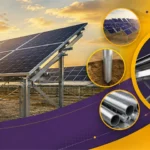
Solar Mounting Structure Load Calculator: MW-wise Weight, Pile Depth & Galvanizing Specs for India & GCC
25/05/2026
Rust, Corrosion & Rain: How to Choose Monsoon-Resistant Solar Structures
04/07/2026
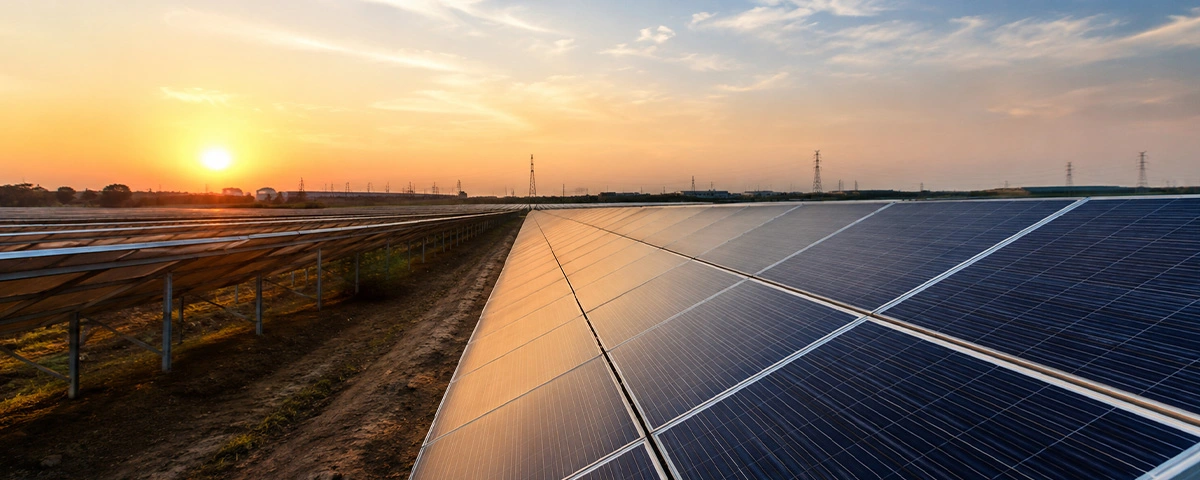
India's Solar Pipeline Is Heating Up — And Mounting Systems Are at the Centre
dia's utility-scale solar sector is entering one of its most active procurement seasons. With the Solar Energy Corporation of India (SECI), Punjab State Power Corporation Limited (PSPCL), and multiple State DISCOMs accelerating their tendering timelines, May 2026 is shaping up to be a landmark month for developers, EPC contractors, and component suppliers alike.
Among the many moving parts of a large-scale solar project, one element is increasingly driving procurement strategy: the mounting and racking system. As project sites grow more complex — spanning rooftops, open fields, hilly terrain, and agricultural land — the right PV racking solution can be the difference between a bankable project and a delayed one.
Here's what the industry needs to know right now.
What's on the Tender Calendar: SECI, PSPCL & State DISCOMs
SECI's May 2026 Procurement Push
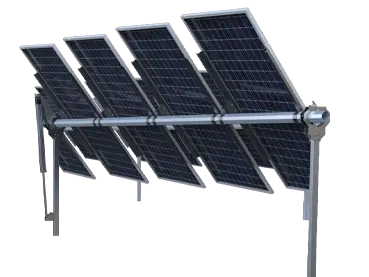
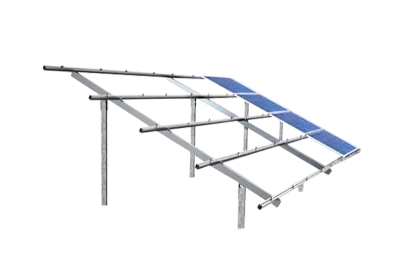
SECI has continued its role as India's primary aggregator for large-scale renewables, and May 2026 brings a fresh wave of solicitations. Current and upcoming tenders include ground-mounted solar projects in the 200 MW–500 MW range across Rajasthan, Gujarat, and Madhya Pradesh — regions that consistently demand robust, wind-load-rated fixed-tilt and single-axis tracker (SAT) structures.
SECI's tenders are also increasingly specifying bifacial module compatibility in their technical requirements, which directly elevates the specification bar for PV mounting systems. Racking solutions need to account for rear-side irradiance, clearance heights, and row spacing — criteria that commodity-grade structures simply cannot meet.
PSPCL's Rooftop and Ground-Mount Drive
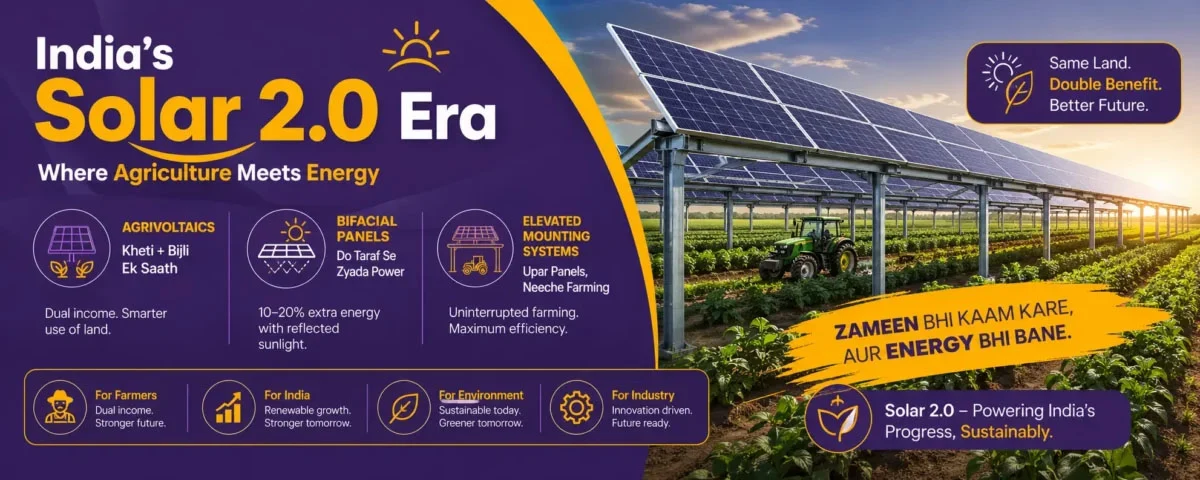
PSPCL has been actively expanding Punjab's solar footprint through a mix of rooftop schemes and utility-scale ground-mount tenders. May 2026 sees the agency continuing its focus on agricultural-sector solar, including PM-KUSUM Component C projects where mounting structures must be designed for elevated panel heights to allow simultaneous farming.
For mounting suppliers, PSPCL projects introduce specific challenges: corrosion-resistant structures for irrigated land, modular designs for easier rural installation, and galvanised steel or aluminium profiles that meet both structural and aesthetic mandates for farmland environments.
State DISCOM Activity: A Distributed Opportunity
Beyond SECI and PSPCL, State DISCOMs across Maharashtra, Tamil Nadu, Uttar Pradesh, Karnataka, Rajasthan, and Telangana are pushing out smaller but collectively significant solar tenders in the 5 MW–100 MW range. These distributed procurements represent a substantial cumulative demand for solar mounting systems — often from local or regional suppliers who can offer faster delivery and site-specific customisation.
State-level projects also tend to have tighter installation timelines, which makes the availability of pre-engineered, fast-to-install PV racking solutions a genuine competitive differentiator.
Why Mounting Systems Are Now a Strategic Procurement Decision
For years, solar mounting structures were treated as a commodity — the last item quoted and the first item value-engineered out. That thinking is changing, fast.
Terrain Complexity Is Rising
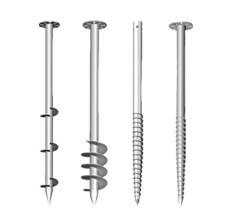
India's solar ambition is expanding into non-ideal terrain. Projects on undulating land, coastal zones, and flood-prone areas require adaptive mounting solutions — adjustable pile heights, corrosion-grade coatings, and wind-load engineering that goes well beyond standard IS codes.
Bifacial and Tracker Adoption Is Accelerating
The shift to bifacial modules and single-axis trackers in large SECI tenders is pushing suppliers to rethink ground clearance, pile depth, and inter-row spacing calculations. A PV racking solution designed for bifacial efficiency can improve energy yield by 8–15% compared to standard fixed-tilt setups — a compelling case for developers optimising LCOE.
Quality Mandates Are Getting Stricter
SECI and several State DISCOMs now require structural drawings stamped by licensed engineers, wind-load certification per IS 875 Part 3, and in some cases, third-party factory audits. This is filtering out low-quality suppliers and rewarding manufacturers who invest in R&D, testing, and documentation.
Market Trends Shaping the Mounting Procurement Outlook
The solar mounting market in India is consolidating, innovating, and professionalising simultaneously.
Domestic Manufacturing Is Gaining Ground. Aligned with the government's Atmanirbhar Bharat push and the Basic Customs Duty (BCD) framework, SECI tenders are increasingly favouring domestically manufactured mounting structures. This is creating opportunity for Indian manufacturers with verified local content.
Pre-Galvanised vs. Hot-Dip Galvanising Debate. Projects in coastal and high-humidity zones are shifting specification requirements toward hot-dip galvanised (HDG) steel, which offers superior long-term corrosion resistance. Developers bidding on Tamil Nadu and Andhra Pradesh DISCOMs in particular are seeing this in RfQ documents.
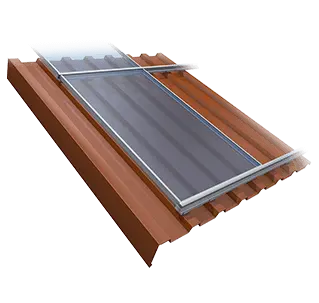
Aluminium Racking Is Gaining Traction in Rooftop. For PSPCL rooftop and commercial & industrial (C&I) projects, aluminium racking systems — lighter, corrosion-resistant, and easier to handle — are increasingly specified, particularly where roof load capacity is a constraint.
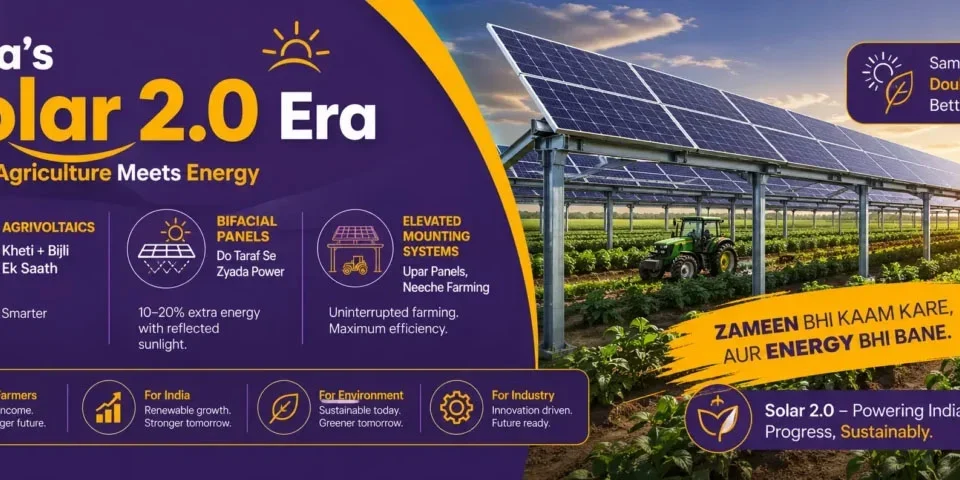
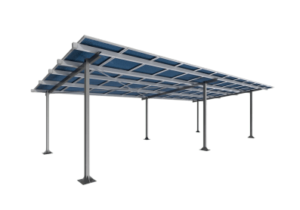
Agrivoltaic Mounting Is an Emerging Segment. PM-KUSUM and similar programmes are driving demand for elevated-frame mounting systems that allow crop cultivation beneath panels. This niche is growing rapidly and requires customised engineering — a segment where early movers are establishing a meaningful advantage.
What Developers & EPC Contractors Should Do Now
If you're preparing a bid response for SECI, PSPCL, or a State DISCOM tender in Q2/Q3 2026, your mounting procurement strategy needs to be locked in early. Here's where to focus:
Engage Structural Engineers Early. Don't leave pile design and wind-load calculations to the last week before submission. Lenders and off-takers are scrutinising structural reports more carefully than ever.
Qualify Two or Three Mounting Suppliers. Single-supplier dependency is a project risk. Qualifying at least two pre-approved PV racking vendors ensures you can respond to price movements and delivery constraints without jeopardising timelines.
Check Domestic Content Compliance. For SECI tenders with DCR (Domestic Content Requirement) conditions, confirm that your mounting supplier's manufacturing facility meets the prescribed local value addition thresholds. Non-compliance at the submission stage has cost bidders their eligibility.
Factor in Logistics Lead Time. With steel prices remaining volatile and port-based logistics under pressure, factoring a 6–10 week lead time for custom-engineered structures is now prudent — especially for projects with 100+ MW of capacity.
The Bigger Picture: India's Solar Trajectory and What It Means for Mounting
India has committed to 500 GW of renewable energy capacity by 2030. As of early 2026, roughly 190 GW has been installed — meaning the country needs to add over 300 GW in the next four years. That's an enormous structural demand for mounting systems across every segment: utility-scale ground mount, floating solar, rooftop, and agrivoltaic.
SECI, PSPCL, and the State DISCOMs are the procurement machinery driving this scale-up. May 2026 represents not just a snapshot of the current pipeline but a preview of the sustained demand that will define the Indian solar market through the end of the decade.
For mounting suppliers, this is the moment to build capacity, certify products, and deepen relationships with Tier-1 developers and EPCs. For developers, it's the moment to move past treating racking as an afterthought and recognise it as a core project variable — one that affects yield, bankability, and delivery timelines in equal measure.
Conclusion: Mounting Matters More Than Ever
The SECI, PSPCL, and State DISCOM solar tenders of May 2026 are more than procurement events — they're signals of where the Indian solar industry is heading. As projects grow larger, sites grow more complex, and quality standards rise, the solar mounting and PV racking sector is stepping out of the background and into the spotlight.
Developers who treat mounting procurement strategically, and suppliers who invest in engineering, compliance, and domestic manufacturing, are the ones who will shape India's renewable energy story through 2030 and beyond.
Stay ahead of every tender, every specification change, and every market shift — because in the solar business, the details are where the margins live.